- Your cart is empty Browse Shop
Welcome to Web Synergy!
Welcome to Web Synergy!
In Lebanon, web development trends for 2026 closely follow global technological shifts while addressing local market realities such as a growing startup ecosystem, accelerated digital adoption, and ongoing infrastructure challenges. As businesses increasingly rely on digital platforms to compete locally and internationally, adopting future-ready web technologies is no longer optional—it is essential.
Based on current projections and industry insights, the following trends are set to define web development in Lebanon throughout 2026 and beyond.

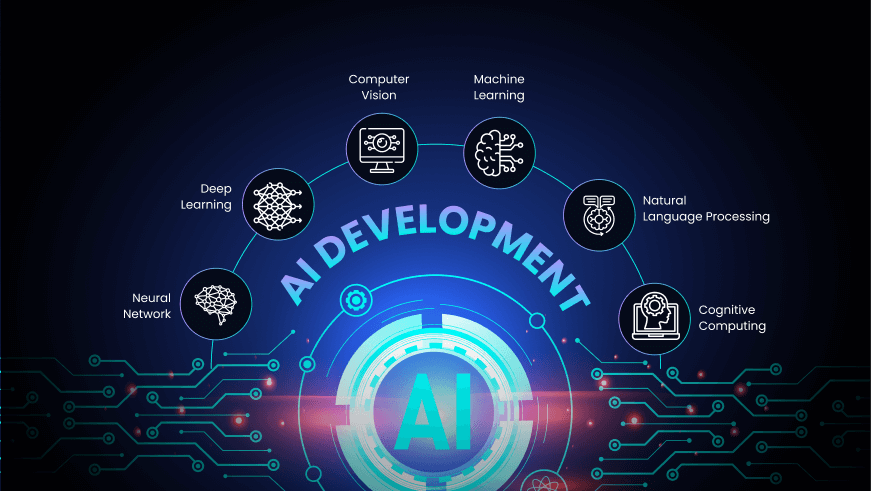
Artificial intelligence is transforming how websites and applications are built and optimized. Tools such as GitHub Copilot X, Tabnine, and Figma AI enable faster development cycles, automated testing, and intelligent design workflows.
AI-driven platforms allow dynamic UI and UX personalization based on real user behavior, leading to higher engagement and conversion rates. In Lebanon, eCommerce platforms and service-based websites can leverage AI-powered chatbots, personalized product recommendations, and predictive analytics to stay competitive in an increasingly crowded market.
Progressive Web Apps (PWAs) have evolved into full-featured, app-like experiences that offer offline access, push notifications, and integration with device features such as biometrics and file systems.
With mobile traffic exceeding 65% in Lebanon, mobile-first—or even mobile-only—design strategies are critical. PWAs reduce reliance on heavy native applications, enable faster deployments, and perform reliably in areas with inconsistent internet connectivity, making them ideal for the Lebanese market.
Serverless architecture and edge computing are redefining scalability and performance. Technologies like AWS Lambda@Edge, Cloudflare Workers, and Vercel Edge Functions reduce infrastructure management while delivering ultra-low latency experiences.
For Lebanese startups and SMEs, serverless solutions offer a cost-effective, pay-per-use model that ensures responsive services across regions with varying network quality.
WebAssembly enables near-native performance directly in the browser, supporting complex use cases such as real-time 3D rendering, advanced data visualization, browser-based IDEs, and fintech applications.
Languages like Rust and C++ power these solutions, making WebAssembly ideal for Lebanese financial platforms, educational tools, and gaming applications that require speed and reliability without local installations.
Design in 2026 is adaptive, immersive, and inclusive. Websites now adjust seamlessly to foldable screens, TVs, wearables, and AR devices. Advanced UI frameworks such as Three.js and WebGL power immersive 3D interfaces and micro-interactions.
Sustainability-focused design is also rising, with lightweight assets, dark mode defaults, and optimized hosting reducing energy consumption. Accessibility is no longer optional—crucial compliance with WCAG 3.0 standards ensures inclusivity for users with disabilities across Lebanon and global markets.
Voice search and gesture-based navigation are gaining traction through technologies like the Web Speech API and WebXR motion sensors.
In Lebanon’s multilingual environment—Arabic, English, and French—voice search optimization plays a key role in improving visibility and discoverability for local businesses targeting diverse audiences.
Security remains a cornerstone of modern web development. Default HTTPS, DNS over HTTPS (DoH), multi-factor authentication, and DevSecOps integration are now standard practices.
Web3 identity and decentralized authentication methods are also gaining adoption, offering secure and transparent login systems. For Lebanese businesses, strong cybersecurity builds trust and ensures compliance with international privacy regulations.
Search optimization in 2026 focuses heavily on performance metrics such as Core Web Vitals 2.0, including Interaction to Next Paint (INP) and overall smoothness.
AI-powered SEO tools optimize content, structure, and indexing in real time, ensuring faster discovery and improved visibility both locally and internationally.
Sustainability is shaping hosting decisions. Providers such as GreenGeeks and A2 Hosting, along with local hosting companies adopting renewable energy, help reduce carbon footprints while improving performance.
Green hosting enhances brand perception and aligns Lebanese businesses with global environmental standards.
Frameworks like Next.js 15, Astro 4, and Svelte 5 are setting new benchmarks for speed and efficiency. Continuous learning is essential as developers adopt AI-driven workflows, serverless infrastructure, and immersive web experiences.
Lebanese agencies and developers who invest in upskilling will remain competitive in both regional and global markets.
For Lebanese businesses and developers preparing for 2026:
By embracing these trends, Lebanese startups and enterprises can build future-proof, high-performance digital experiences tailored for both local growth and international expansion.
By Web Synergy